
















Silos are Structural: What Liverpool and Royal Antwerp Did About Them
July 2, 2026 · Read Time: 5 mins
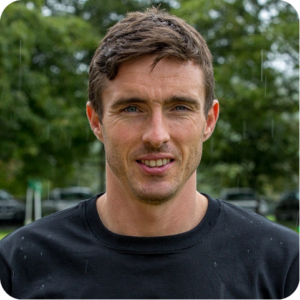
When you have so many different systems, it’s really inefficient
Chris BlackLead Strength and Conditioning Coach, Liverpool FC.
One app that everyone uses
There was a moment in the middle of our recent webinar where Chris Black, Lead S&C Coach at Liverpool FC, tells a story that landed harder than he probably realised.
He was working for the FA. He said something to a group of under-17s about WhatsApp. One of them looked at him blankly.
“What’s that?” the player said. “That’s what I use with my granddad.”
They were on Snapchat. Or something else. But not the platform the performance department was quietly relying on to keep athletes informed.
It’s a small anecdote. It’s also the whole argument for a club aligning as one. When your performance department’s most critical operational channel is a consumer messaging app that some athletes aren’t even using, you don’t have an alignment problem. You have a structural one.
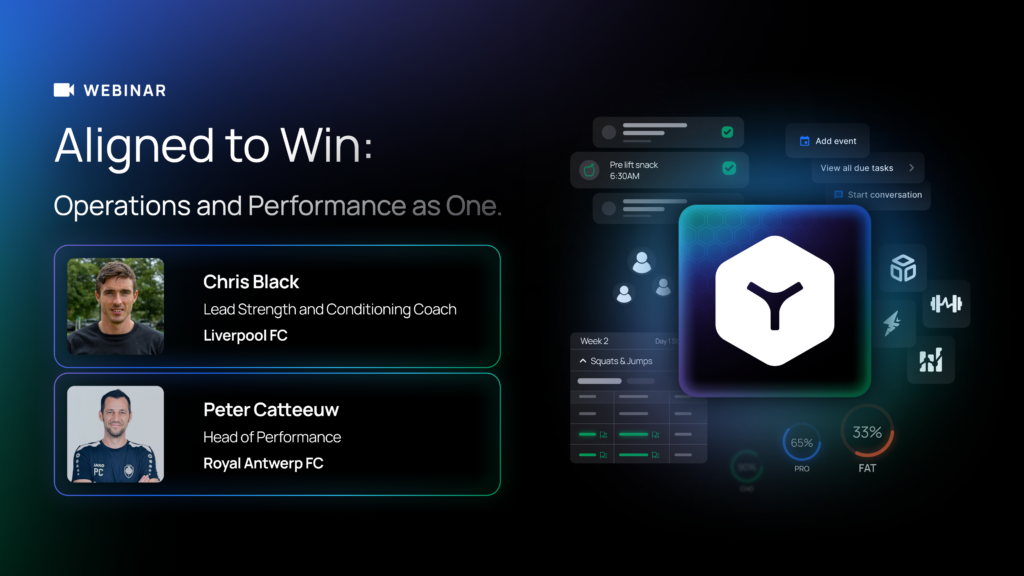
That was the theme running through Aligned to Win: Operations and Performance as One, our webinar with Chris and with Peter Catteeuw, Head of Performance at Royal Antwerp FC. Both leaders spoke candidly about what changes when a club stops working in silos — and what they’d tell a peer starting the same journey.
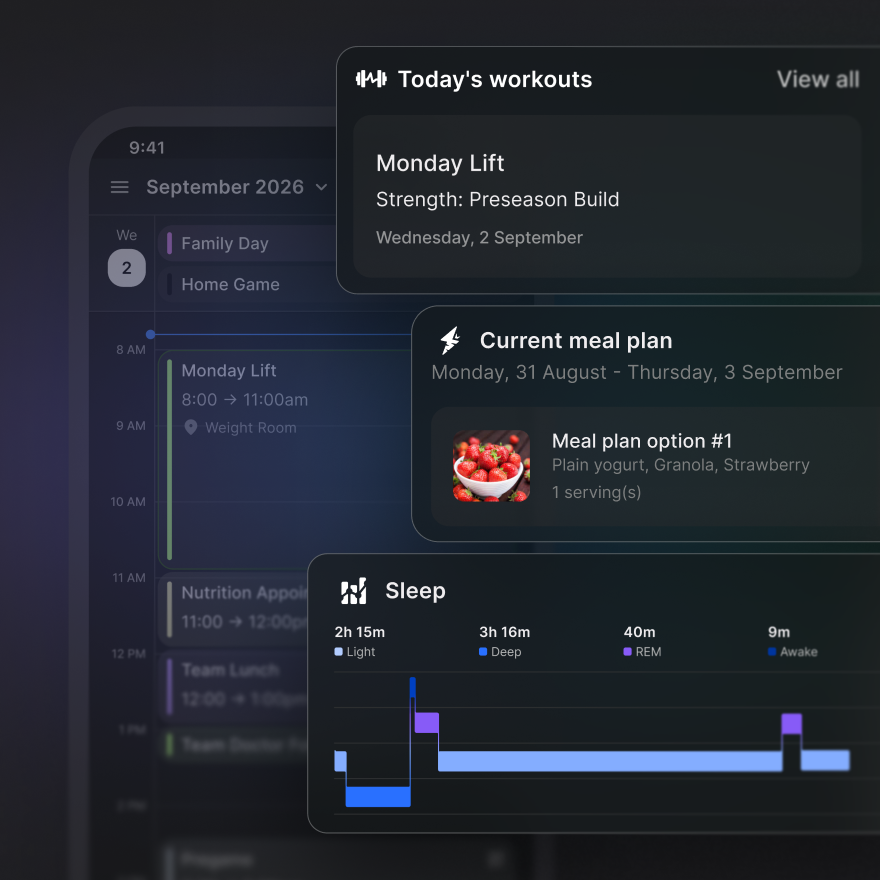
Throughout the webinar, we shared how the Teamworks platform is used by teams to bring their operations, nutrition, S&C and performance teams together in one place, all connected via one app.
Here are five things the webinar taught us:
1. Silos are structural. They’re not a people problem
Peter told a story any performance director will recognise. When Antwerp’s first team pulls a player up from the second team for a training session, the first-team coach calls the second-team coach. Communication happens. Then someone forgets to tell the actual player.
“These issues happened all the time, and then, yeah, you choose to go for a system.”
The point isn’t that staff are unreliable. It’s that when critical communication depends on a chain of manual handovers, you’re one forgotten phone call away from a player missing a session. That’s not fixable by working harder. It’s fixable by removing the risk of it falling through the cracks.
2. Visibility is the feature nobody talks about
The word that came up a lot in the conversation was visibility. As Chris described the Teamworks platform:
“This isn’t a place on one person’s laptop that’s hidden away and nobody’s got access to. This is a highly visible thing that people can dip in and dip out of.”
Practitioners tend to overweight the promise of data and underweight the promise of visibility. But visibility is what unlocks the corridor conversation.

3. Being aligned gives departments more time to connect with athletes
An honest line in the session came from our host, Jack Deaman, Senior Solutions Consultant at Teamworks:
“We want to streamline the approach that you have with your athletes — because that one-to-one human connection is always going to be the most important thing.”
That’s the philosophical inversion at the heart of a connected team. The point of connecting your platforms is to give staff back the time they used to spend chasing information — so they can spend it with the athletes they’re trying to develop.
4. The best tool flexes to the club, not the other way around
One of Peter’s strongest points was about configurability.
“What fits for us in Antwerp doesn’t fit in Liverpool, or in another team,” he said. “You can actually create an Antwerp Teamworks, or a Liverpool Teamworks.”
Every club has its own identity, its own workflows, its own way of managing a matchday week. A platform that forces a single template on every department is really just another silo — a well-designed one, but a silo all the same. The question worth asking of any tool in your stack: is this defining how we have to work, or is it flexible enough to fit how we want to work?

5. Adoption is a small-group game
The most practical advice Peter gave was on how you actually roll a new platform out.
“How we did it is starting with a small group of players, young players, players eager to work on their own development,” he said. “And from these guys, we build out towards the entire team.”
Once leadership teams choose a platform to align their departments, they are defining a connected-data culture that becomes the heartbeat of their operations and performance teams.
What doesn’t work is running multiple systems in parallel and hoping the culture sorts itself out.
Where to start
We closed by asking both guests the same question. For a club at the very start of this journey, what’s the one piece of advice you’d give?
Chris: “You need to understand what your biggest frustration is, or where the communication is breaking down. You have to know what you want it to answer first.”
Peter: “Start a conversation. Sit together, talk through how you want to communicate. Sit down with a piece of paper and start writing — what are the pros, what are the cons?”
Both answers point at the same thing. A connected club doesn’t start with a purchase decision. It starts with a diagnostic — an honest look at where information is falling through the gaps today.
If that’s a conversation you’d like to have or you would like to be sent the full webinar recording, get in touch via the form below.
And if you’d rather start the diagnostic yourself first, Conor Branson’s 5 questions for a pre-season tech stack review is a useful starting point.
Article Topic
What Liverpool and Royal Antwerp told us about their connected club environments
Audience
Performance Practitioners, Operations Practitioners
Key Challenge
Removing silos between performance, operations, medical and technical departments
Products Mentioned
Hub, AMS, Nutrition, S&C
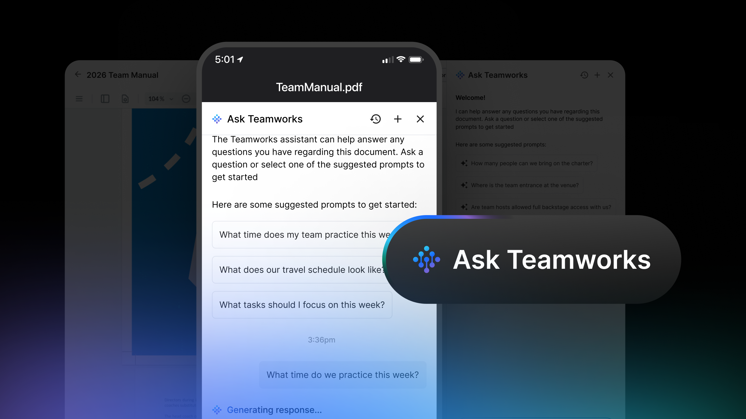
How the NCAA Found Clarity in the Chaos of March Madness
See how the NCAA used Ask Teamworks to get instant, citation-backed answers to policy, travel, and protocol questions during March Madness.
TCU Selects Teamworks Player Personnel
TCU Football adopts Teamworks Player Personnel to unify self-scouting, advanced scouting, and transfer portal evaluation into one platform, giving AGM Tyler Olker's growing staff a faster, more precise way to build a roster built for the Big 12 and beyond.
The Future of AI in Sports Is Not What You Think It Is
AI in sports is only as powerful as the data behind it. Learn why connected data, not AI models, will define the future of performance.