















Integrated Return-to-Play: Connecting Sports EMR & S&C
August 25, 2026 · Read Time: 5 mins
Insights From
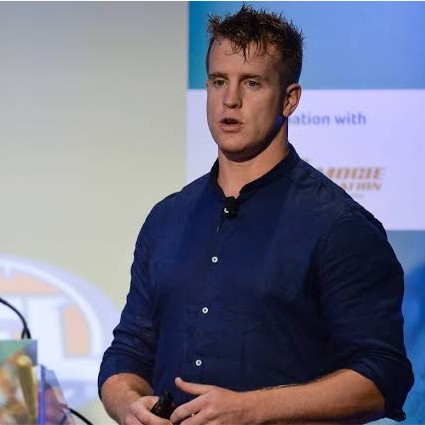


This blog draws on insights from a recent webinar, Building an Integrated Return-to-Play System, where Teamworks' Nick Walsh, Tom Robertson, and Bret Kelly explored how medical and performance staff can better align around the return-to-play process.
Return-to-play is a team effort. Athletic trainers, medical staff, S&C coaches, sports scientists, and athletes all play a role in getting an athlete safely back to competition.
But when those teams work across disconnected systems, important information can get lost between the medical and training environments.
Sports EMR + S&C can change that.
By connecting injury documentation, return-to-play protocols, rehabilitation, programming, and performance data in one workflow, teams can keep everyone working from the same picture — from early intervention through comeback.
Here are five ways to build a more integrated return-to-play system.
Start With a Clear Medical Picture
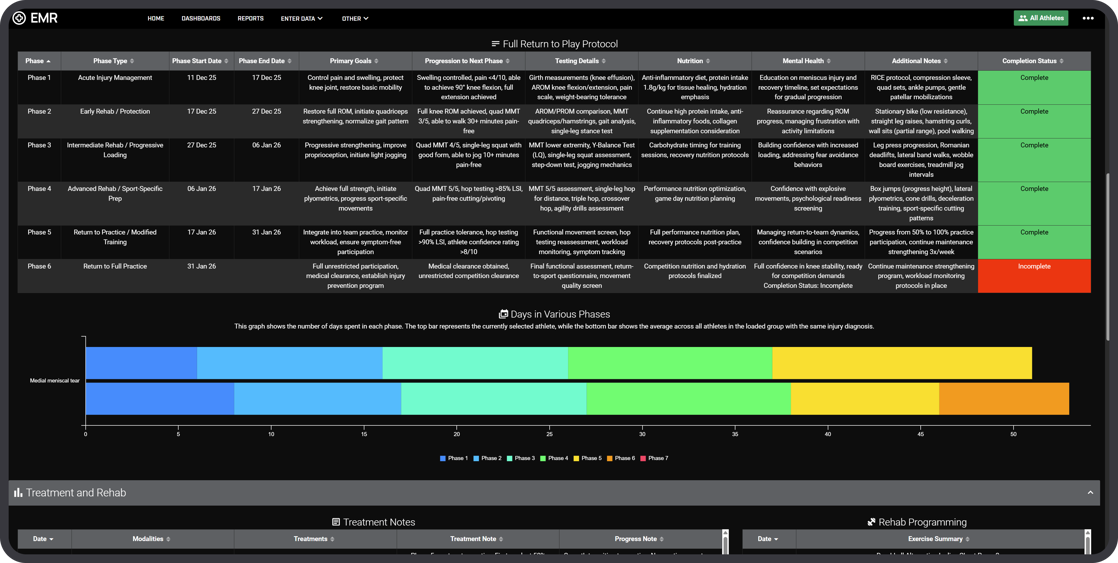
Every return-to-play process starts with understanding the injury. Sports EMR gives medical staff a centralized place to document injuries, treatment notes, status, limitations, and other relevant information. Related notes and encounters stay connected to the athlete's record, giving staff a clear picture of what has happened and where the athlete stands. From there, teams can establish return-to-play phases and progression criteria, giving everyone a clear framework for the athlete's path forward. The goal: turn medical information into a clear, actionable plan.
Bring S&C Into the Same Workflow
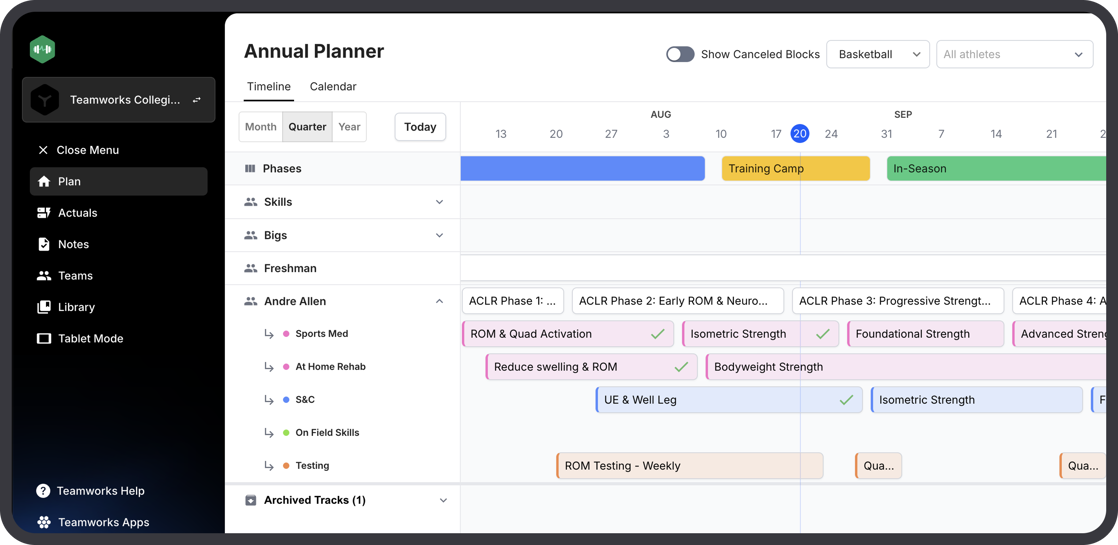
An athlete's return doesn't happen only in the medical room, it happens through training. That's why S&C needs visibility into the athlete's return-to-play status, limitations, and progression. In Teamworks, return-to-play athletes can live alongside the broader S&C structure as individual tracks and sub-tracks, including sports medicine programming, at-home rehabilitation, S&C, testing protocols, and eventually on-field or on-court work. Medical and S&C staff can align on what each phase means and build the athlete's progression together — rather than managing separate plans in separate systems. As Bret Kelly shared during the webinar, this connection is particularly important in late-stage rehab, when communication between sports medicine and S&C can have a major impact on the athlete's progression. The Goal: Align medical and S&C around the same RTP progression.
Turn Medical Guidance Into Training
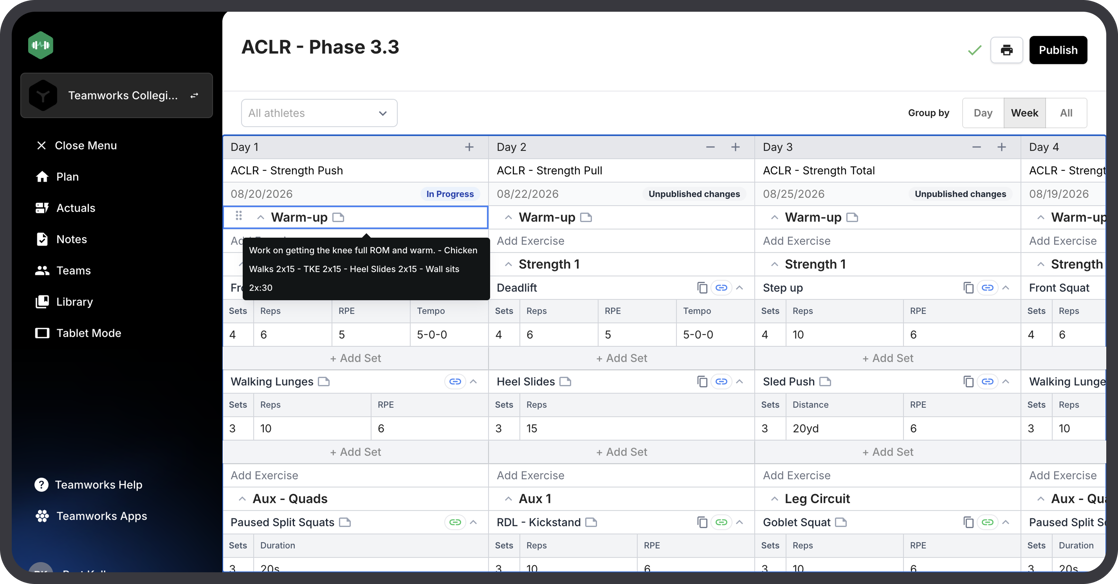
Knowing an athlete's limitations is only the first step. The next is translating those limitations into an actionable training plan. S&C programming can incorporate rehabilitation exercises, sets, reps, intensity, goals, and other metrics based on the athlete's current phase. Teams can also create reusable templates and progressions for common rehabilitation needs, so staff build agreed-upon progressions once and apply them consistently rather than recreating programs every time an athlete enters a new phase. And because programming can be adjusted from the tablet, practitioners can make changes in the weight room and have those updates reflected immediately for the athlete. The goal: turn RTP guidance into actionable, individualized S&C programming.
Measure Progress Against the Athlete's Baseline
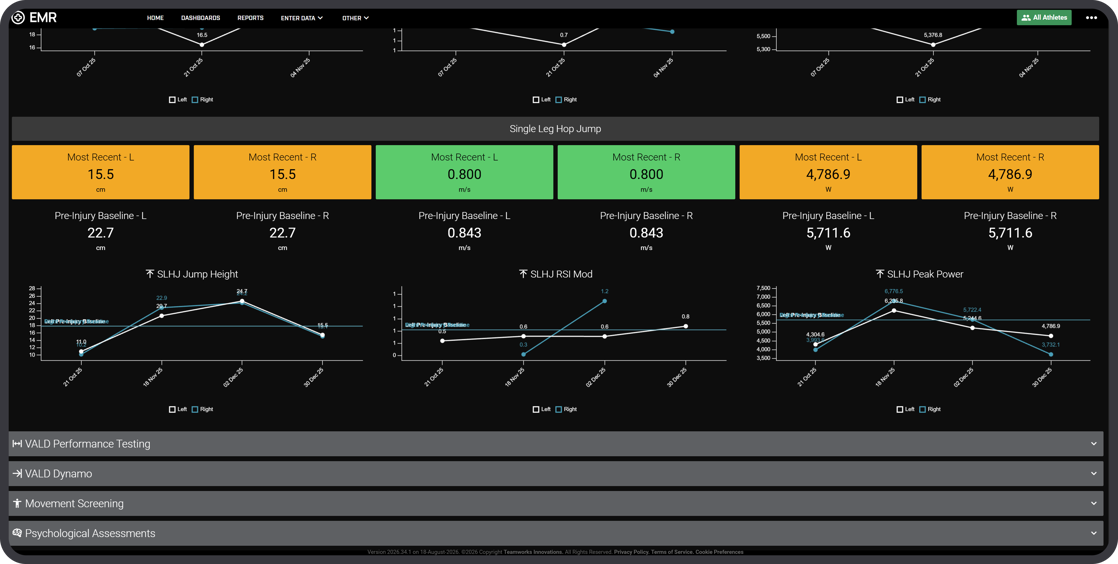
Return-to-play isn't just about completing phases. Staff also need to understand how the athlete is responding as they progress, and performance data can add that context. Teamworks can bring in GPS data from providers such as Catapult and STATSports, helping staff compare training and game exposures against pre-injury baselines. Force plate integrations can also provide metrics such as left-right asymmetries and baseline comparisons. This gives staff more information to support progression decisions by connecting rehabilitation with what the athlete is actually producing. The goal: use performance data to add objective context to RTP progression.
Put the Plan in the Athlete's Hands
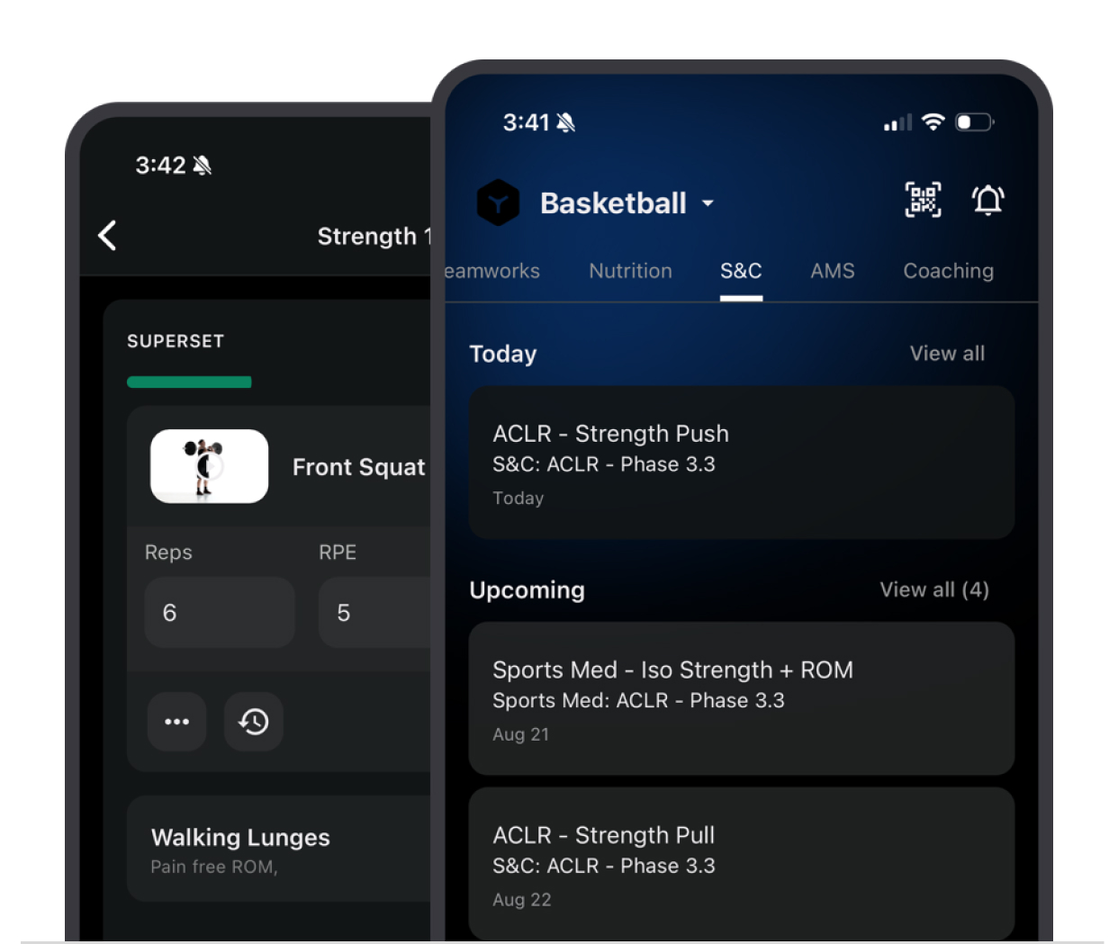
An integrated workflow also needs to work for the athlete. Through the Unified Mobile App, athletes can access their workouts, rehabilitation activities, schedules, and communication from one place. At-home rehabilitation can be delivered directly through the app, with exercises, instructions, and notes that keep the athlete connected to their plan even when they're away from the facility. That means the return-to-play plan doesn't stop when the athlete leaves the training room. The goal: keep athletes connected to their RTP plan wherever they are.
One Connected Path Back to Competition
A successful return-to-play process isn't about giving every department access to everything. It's about giving each person the information they need to do their job, while keeping everyone aligned around the same athlete.
Sports EMR provides the medical picture and S&C turns that information into training. Performance data helps measure progress and the Unified Mobile App keeps the athlete connected to the plan.
Together, they create one connected path from injury → rehabilitation → progression → return-to-play — keeping medical and S&C aligned throughout the athlete's journey.
Want to see what this could look like for your team? Reach out below to learn more about Teamworks Performance and how Sports EMR and S&C can work together to support your return-to-play process.