
















What We’ve Learned from 120+ Programs Managing Rev Share at Scale
April 1, 2026 · Read Time: 4 mins
By Kevin Barefoot, VP of Business Development at Teamworks
Revenue sharing isn’t on the horizon anymore, it’s here. And athletic departments are working through the realities in real time: contracts, payments, roster decisions, and the culture shift that comes with it.
With over 120+ programs using Teamworks GM, we’ve had the opportunity to see first hand how the departments are adapting to this change. The ones who leaned in early have built aligned and operationally confident programs.
Here are five key takeaways we’ve observed.
1. The first chapter was about survival. Now it is about strategy
When revenue sharing first started, most of the questions were operational. How do we move money to athletes? What do contracts look like? Who signs what? Departments were building the plane while flying it, and that was expected.
Now that phase is largely behind us. The real question today isn’t how to comply, it’s how to continue your evolution into a sophisticated operation, complete with guardrails, alignment and decisions driven by actionable metrics. Revenue sharing is now the primary lever for roster strategy, recruiting conversations, and building a culture that attracts and keeps the right athletes. Most departments have moved beyond the reactive phase, and have leaned into strategy.
The strategies we’re seeing fall into two categories: protecting and organizing the data that drives decisions, and scaling the operational work that eats up staff time. Both feed right into other observable trends we’re seeing.
2. Negotiating without data puts you at a disadvantage
One of the most consistent things we hear from administrators is how exposed they feel sitting across from an agent without reliable market data to anchor the conversation. The same dynamic shows up internally when a coach walks into the AD’s office asking for significant money for a specific athlete, and there’s no shared framework to evaluate whether that’s a reasonable ask.
When everyone is working from different sources of information, decisions slow down and money gets misallocated. What departments really need is clear data: what comparable programs are budgeting by position, what the market looks like for a given role, and how a player’s performance compares to peers.
3. Disconnected tools create compounding risk
Many athletic departments are still managing revenue share across a mix of platforms: spreadsheets for budgeting, email chains for contracts, manual payment processing, separate systems for tax reporting. At the scale and speed this work now demands, that approach creates unnecessary risk.
When budgets, contracts, payments, and documentation all live in the same ecosystem, the workflow changes. Every step is connected and auditable. The programs that have aligned these systems are moving faster, making better decisions, and building a real operational advantage.
4. Payment execution is now part of the overall athlete experience
July 1 didn’t just change how departments operate. It also changed what athletes expect. For the first time, student-athletes are receiving direct revenue share payments, and the experience around those payments reflects directly on the department behind them.
When a player receives their payment on time, with clear tax guidance and no unexpected deductions, that sticks with them. When they wait weeks or face a surprise tax bill they weren’t prepared for, that sticks too. For domestic and international athletes alike, getting payments right isn’t just an administrative function; it’s a signal of how the department values the people it’s paying. When it comes to receiving payments, athletes understandably have the same expectations that you do.
5. Insights Into Action
There’s no shortage of information in college athletics right now. What’s actually scarce is the kind of insight that tells you not just what happened, but what to do next. Such as when a roster is approaching a budget threshold, or when a contract renewal is misaligned with where the market has moved, and when a player’s ask doesn’t match what the performance data supports.
The difference between a reporting system and a decision-making system is whether it helps you act with precision and confidence. The next phase of revenue sharing in 2026 & beyond will be led by departments who create alignment through common language, establish realistic budgeting strategy that is founded in data, and, like professional sports, have objective talent evaluation analytics. That next phase is here and attainable.
Next Steps
The programs thriving right now didn’t get there by accident. They invested in the right infrastructure, leaned on real data, and built operations that could scale. The best part is there’s still room to build, and you don’t have to figure it out alone.
Teamworks is building the next generation of dynamic tools that the market is actively seeking.
Article Topic
What we’ve learned from supporting 120+ programs managing revenue sharing at scale.
Audience
Athletic Directors
Key Challenge
Managing Revenue Sharing at Scale
Products Mentioned
GM, Wallet
Related Content
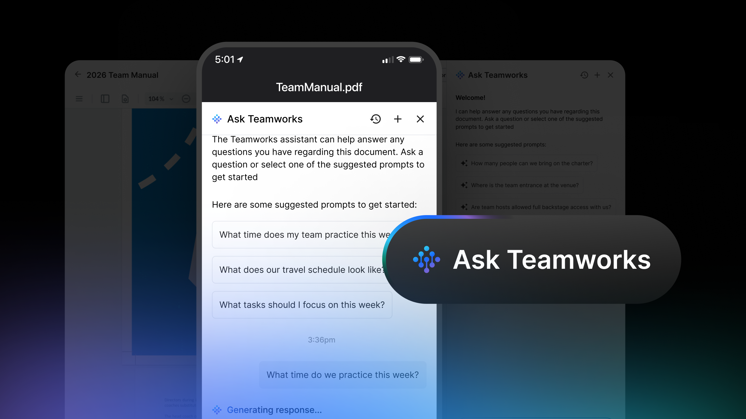
How the NCAA Found Clarity in the Chaos of March Madness
See how the NCAA used Ask Teamworks to get instant, citation-backed answers to policy, travel, and protocol questions during March Madness.

TCU Selects Teamworks Player Personnel
TCU Football adopts Teamworks Player Personnel to unify self-scouting, advanced scouting, and transfer portal evaluation into one platform, giving AGM Tyler Olker's growing staff a faster, more precise way to build a roster built for the Big 12 and beyond.
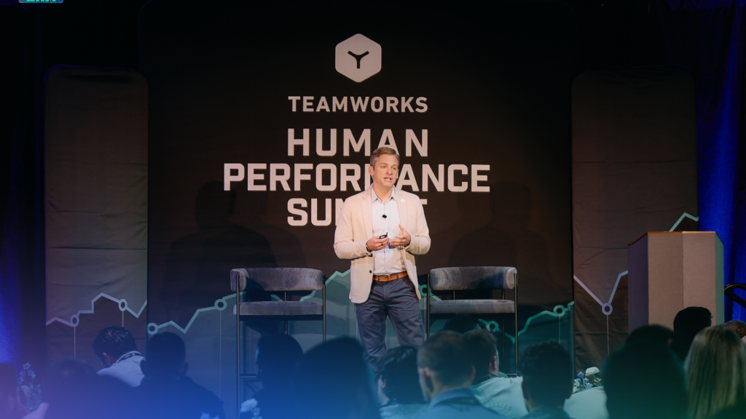
The Future of AI in Sports Is Not What You Think It Is
AI in sports is only as powerful as the data behind it. Learn why connected data, not AI models, will define the future of performance.